

Breaking Walls, Building Futures
Fitrah has created a powerful program to empower youth. Like a trampoline, it launches young people over the barriers holding them back by providing mentorship, job training, and resources. We are dedicated to breaking down these walls, guided by the leadership and resilience of our youth.
Youth-led advocacyThe trampoline and the wallsThe walls are deliberate and high
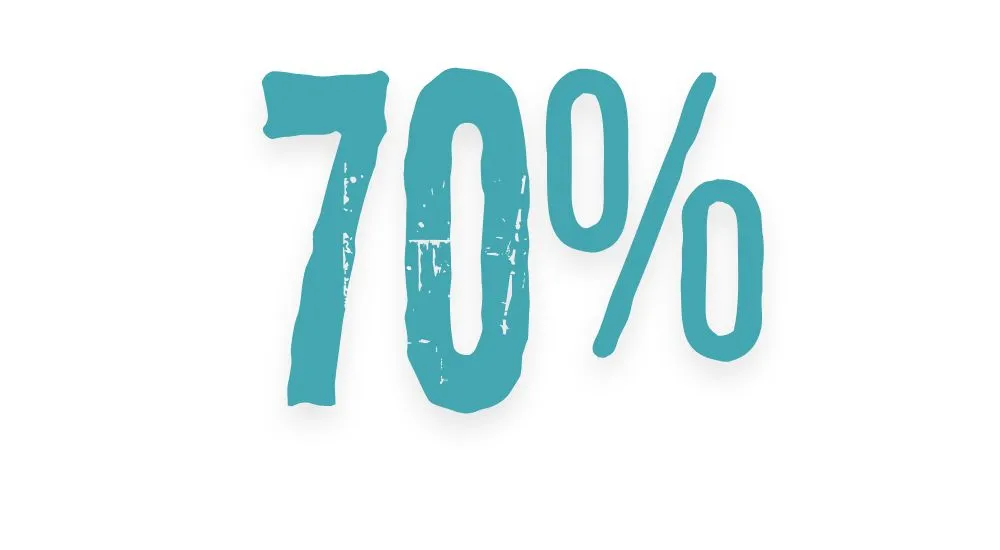
In California, 70% of young adults in state prisons are people of color, despite making up only 25% of the overall population.

30-50% of homeless youth aged 18-24 were formerly in the foster care system.

60% of California youth in juvenile detention were also involved with the Department of Social Services (foster care)

Youth age out of foster care and enter the adult justice system at age 18 while their brains are developing until age 25
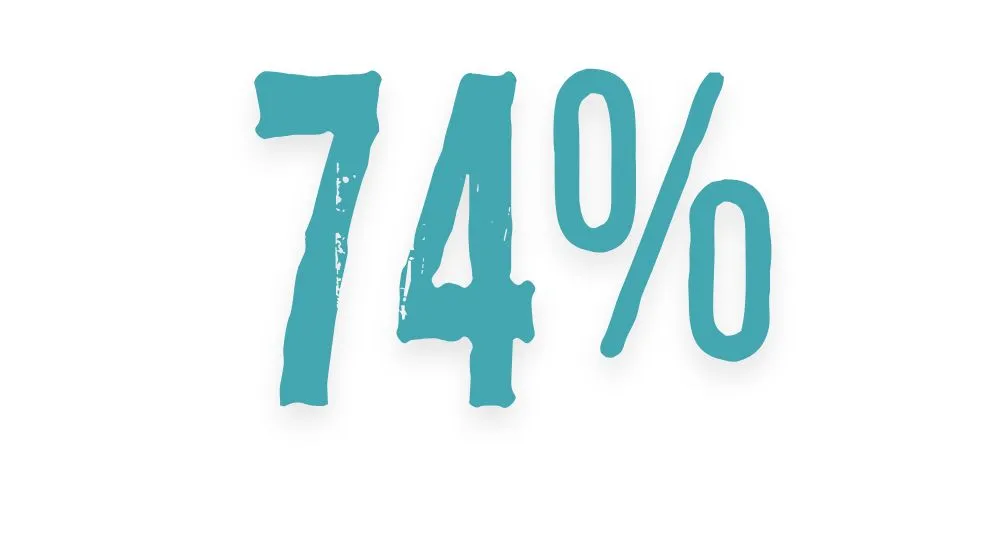
43% of women and 74% of men who age out of the foster care system in the United States will be incarcerated at least once in their lifetimes
Only 50% of youth in foster care finish high school and only 2-9% graduate with a four-year degree

58% of young adults who age out of foster care are unemployed
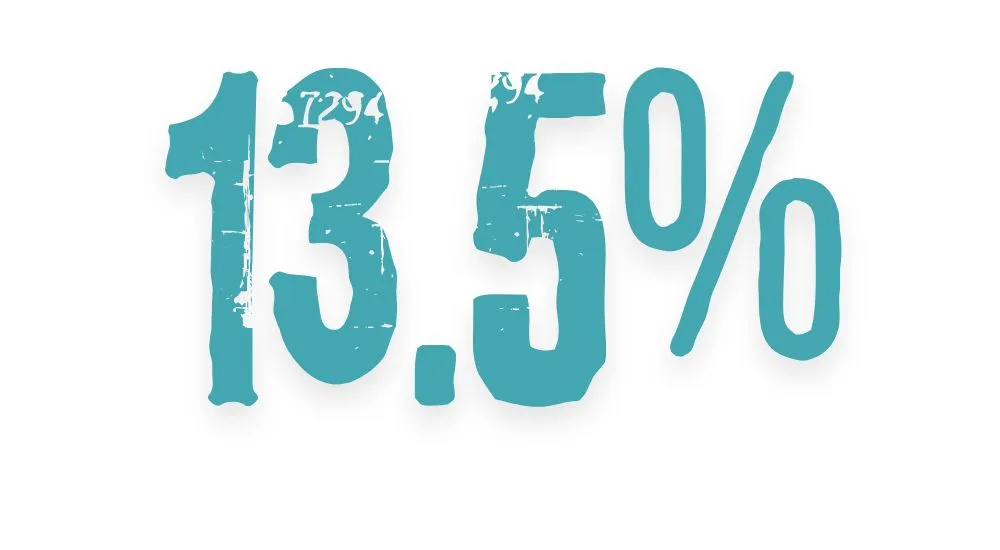
13.5% Detention is a stronger predictor of recidivism than gang involvement; youth committed to detention are 13.5 times more likely to return to the juvenile justice system

The walls are the problem, not our youth
The Issue:
Emerging Adult Justice
The Compounding Problem:

Youth aged 18 and older are processed in adult court, despite research showing that brain developmentcontinues until age 25.

This practice disproportionately affects youth of color and those lacking family support, such as homeless or foster youth.

An adult criminal record and time spent in adult jail create lasting consequences that can hinderopportunities and disrupt futures.
The challenge:
Emerging Adult Justice
The Growing Concern:
Our proposal: help keep youth out of jail
We need more diversion programs and alternative pathways to prevent youth from being drawn into
the criminal justice system. For those already involved, emerging adults aged 18-20 should be shifted
from the adult justice system to the juvenile system, which is better suited to their developmental stage.
Although the juvenile system has its imperfections, it provides accountability alongside critical resources
such as educational programs, lower rates of reoffending, and the ability to avoid an adult criminal
record that could restrict access to jobs or housing.
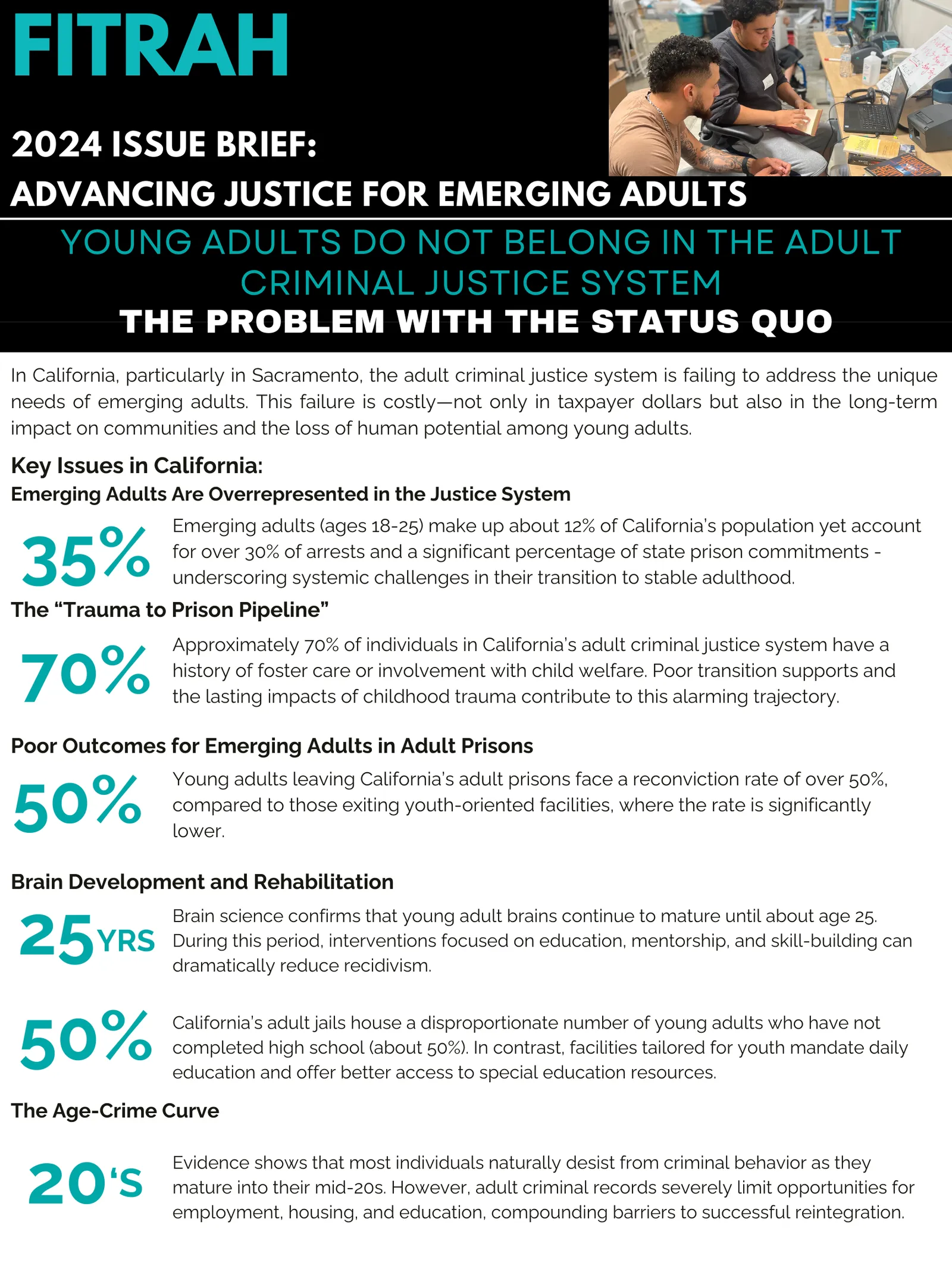
Help open the next door.
Every gift helps a young person gain experience, build confidence, and take their next step.